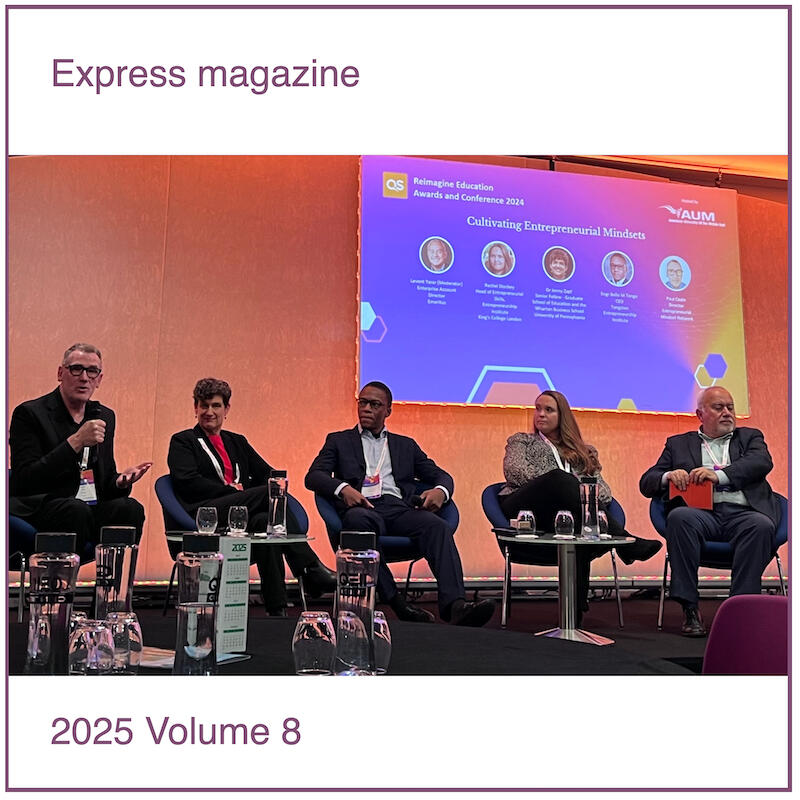
Express Magazine 2025 Volume 8
Express is the online magazine published three times a year by the Entrepreneurial Mindset Network. Since its launch in 2018, the magazine has established itself as a dynamic and inclusive global platform, featuring contributions from authors in 67 countries.Entrepreneurial Mindset Network is an inclusive, international community of practice where anyone can learn to use entrepreneurial behaviours and make their unique contribution to the world.Paul Coyle is the Founder and Executive Director of the Entrepreneurial Mindset Network and the editor of the Express magazine. He is an expert in the entrepreneurial mindset, innovation, entrepreneurship, leadership and organisational change.
RI:SE Mindset Development Framework
Use the Network's RI:SE Mindset Development Framework to support your personal and organisational development. RI:SE stands for Reflect & Initiate : Scale & Excel.
Reflect & Initiate:Read Express Volume 8 issues 1-3 and their executive summaries. Use these real-life lessons to Reflect on your personal goals and to Initiate actions to strengthen your own entrepreneurial behaviours.
Scale and Excel:The Network's premium development services enable leaders to Scale entrepreneurial ways of working, building from individuals to teams, and creating a culture in which everyone can Excel.
Entrepreneurial Mindset Express 2025
Volume 8 Issue 3
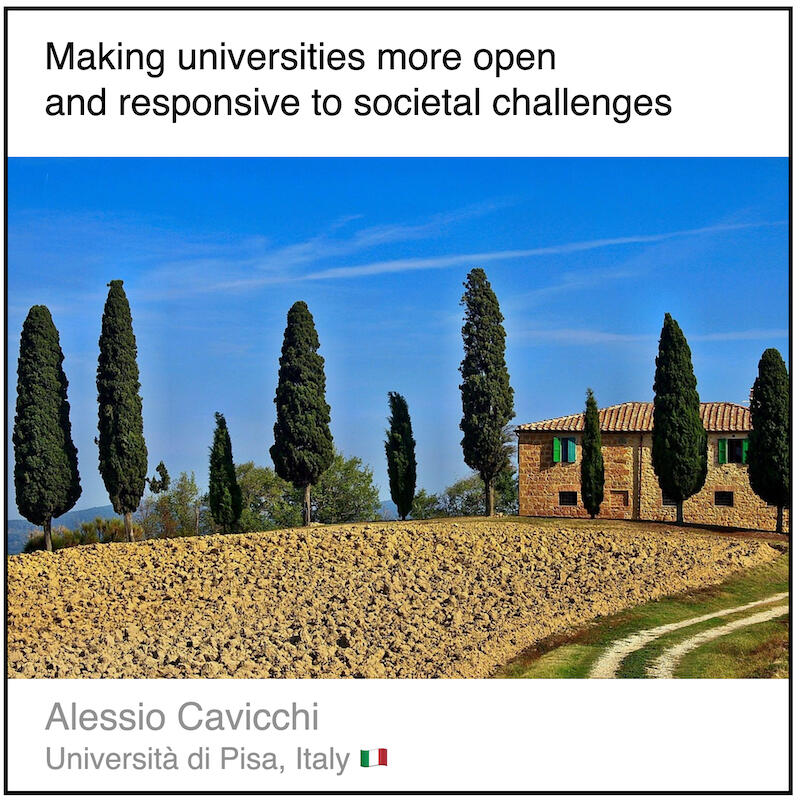
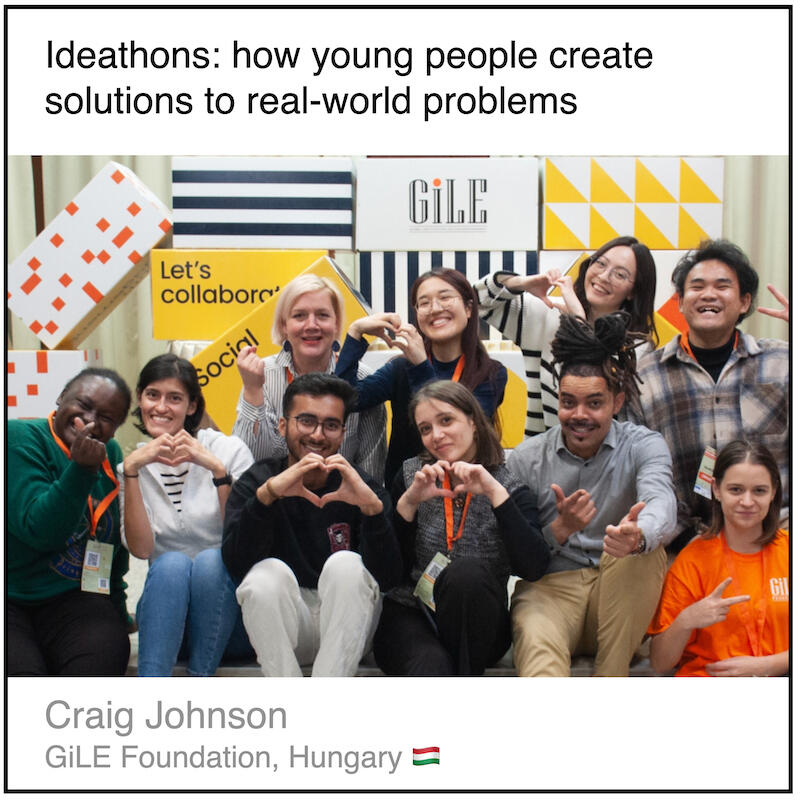
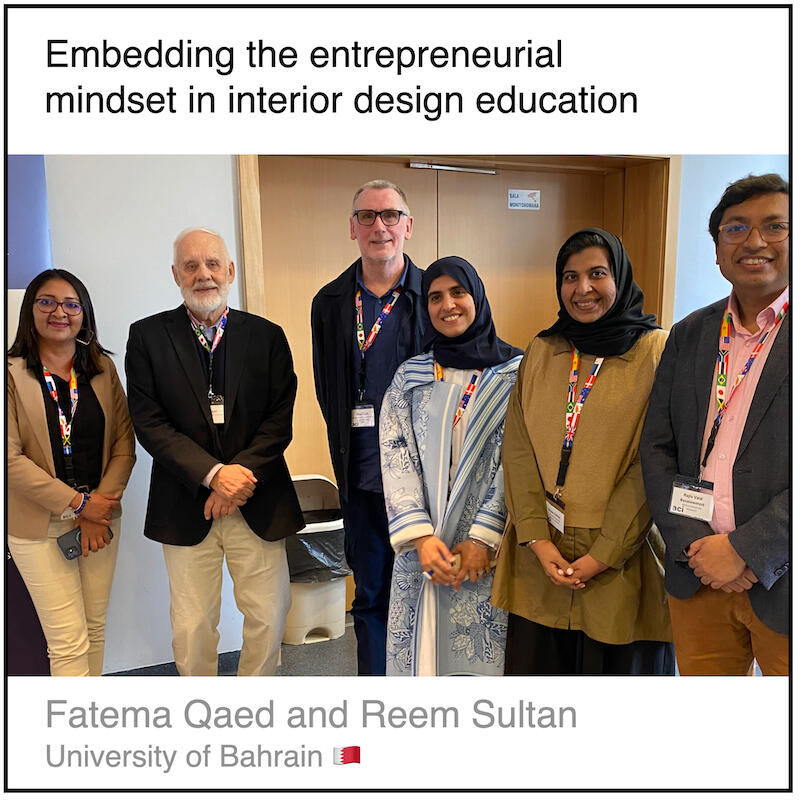
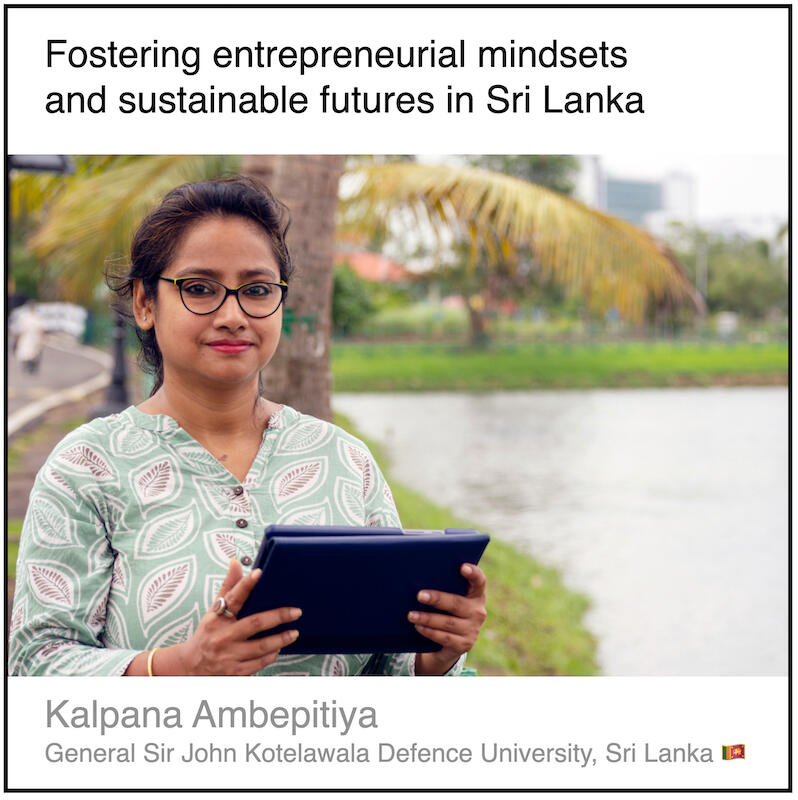
Thank you to the authors from Bahrain, England, Hungary, Italy and Sri Lanka for taking the time to share their inspiring stories. Click on any image to read or download the article.
Executive Summary
Issue 3 highlights how high-impact pedagogy, structured problem-solving events, and civic engagement foster entrepreneurial mindsets and drive sustainable, inclusive futures. Drawing on perspectives from Bahrain, England, Hungary, Italy, and Sri Lanka, these articles present practical frameworks for ideathons, design-integrated curricula, open university innovation, and empowering female digital entrepreneurs. The following questions and answers highlight key insights from these articles. For a deeper dive read the individual articles.
What is an entrepreneurial mindset, and why is it important in modern education?
An entrepreneurial mindset is a flexible set of cognitive, behavioural, and emotional capabilities defined by empathy, resourcefulness, critical curiosity, and the confidence to navigate ambiguity. Rather than focusing solely on commercial business creation, it serves as a foundational educational framework that equips learners to identify pressing societal needs, co-create solutions, and drive positive cultural change across local and global communities. Cultivating this mindset transforms passive learners into active problem-solvers who can adapt to rapid technological shifts, overcome youth unemployment, and contribute directly to sustainable development goals.
How can educators embed entrepreneurial learning into creative and non-business disciplines?
Embedding entrepreneurial thinking across non-business fields requires moving away from rigid business planning toward iterative, experiential pedagogy tailored to specific subject areas. Educators can achieve this by introducing structured design thinking frameworks that guide students through distinct phases: inspiring curiosity with authentic community issues, investigating root causes, ideating collaborative solutions, implementing prototypes, and continuously improving through feedback. In this approach, educators shift their role from traditional lecturers to learning facilitators, using the classroom as an evolving laboratory where creative design, social enterprise models, and commercial awareness intersect to generate meaningful societal value.
What are the best methods for running intensive problem-solving events like ideathons and innovation bootcamps?
Running successful problem-solving events requires four essential components: thorough pre-event capability building, clear challenge framing, structured mentorship, and post-event support pathways. Before the event, participants require workshops covering problem mapping, design thinking, rapid research, digital tools, and pitch structuring to build confidence. Challenges must be co-created with local stakeholders and contextualised through real-world immersion, such as community walks or site visits. During the event, mentors should guide inquiry and teamwork without dictating solutions. Finally, organisers must provide clear post-event pathways, including incubation, seed grants, and stakeholder networking, to convert temporary ideas into lasting societal outcomes.
How can university ecosystems ensure that student innovations lead to long-term societal and economic inclusion?
Universities can drive lasting inclusion by establishing place-based co-creation networks that connect academic departments, local businesses, public authorities, and underrepresented community groups. This involves building cross-disciplinary workspaces, career guidance units, and specialised social enterprise toolkits that help students align their projects with social value propositions and sustainable development targets. Furthermore, ecosystems must actively address systemic barriers facing underrepresented groups—such as female digital freelancers, rural entrepreneurs, and necessity-driven innovators—by providing targeted digital literacy training, safe networking platforms, societal narrative shifts, and policy support to guarantee equitable access to sustainable livelihoods.
Entrepreneurial Mindset Express 2025
Volume 8 Issue 2
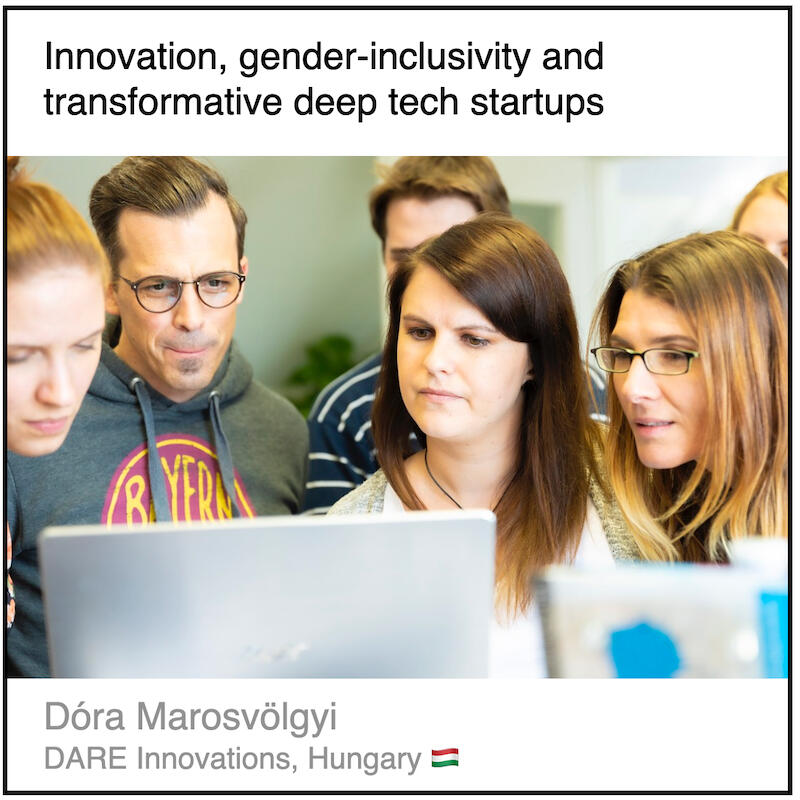
Thank you to the authors from Finland, France, Hungary, Japan and Mexico for taking the time to share their inspiring stories. Click on any image to read or download the article.
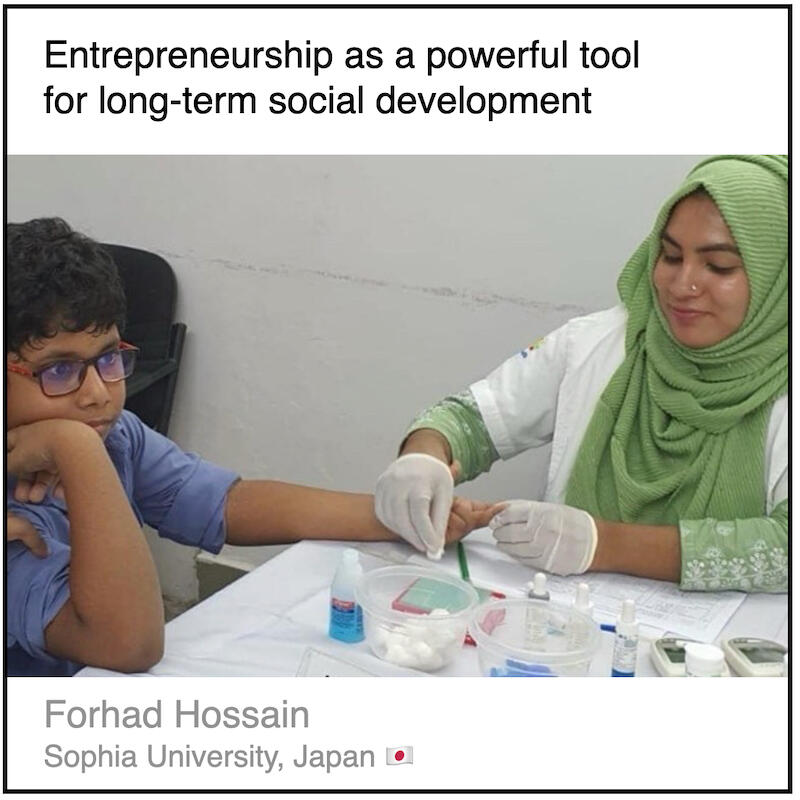
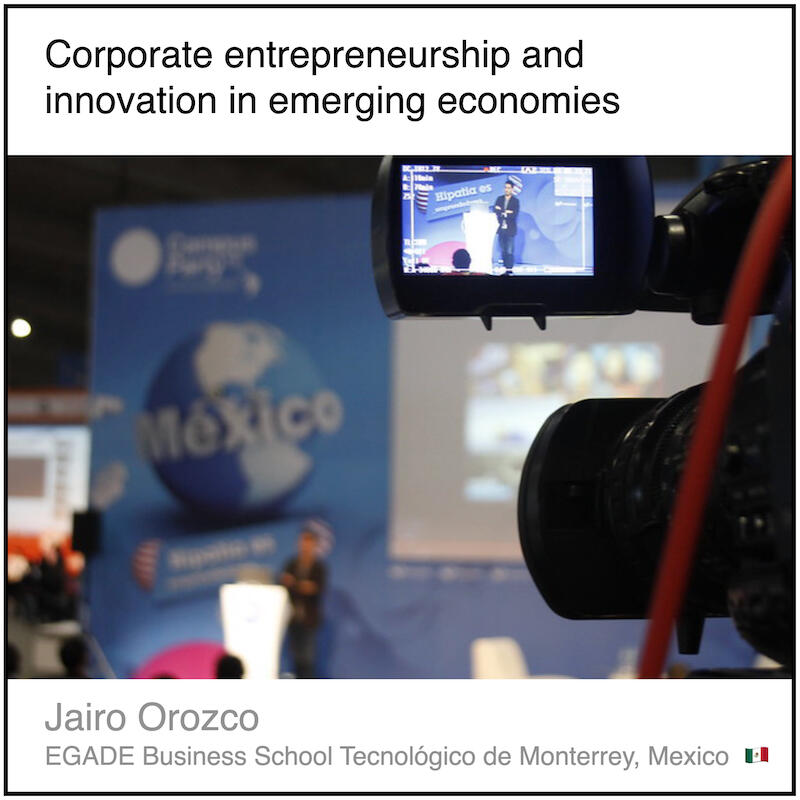
Executive Summary
Issue 2 examines how educational institutions, corporate enterprises, and deep tech ventures scale innovation capacity, foster intrapreneurship, and drive systemic economic and social transformation. Drawing on perspectives from Finland, France, Hungary, Japan, and Mexico, these articles present practical frameworks for multidisciplinary co-creation, corporate agility in emerging markets, gender-inclusive startup acceleration, and community-driven healthcare delivery. The following questions and answers highlight key insights from these articles. For a deeper dive read the individual articles.
What is an entrepreneurial mindset, and why is it essential for individual and institutional development?
An entrepreneurial mindset is a holistic combination of cognitive, behavioural, and social competencies characterised by adaptability, critical curiosity, resilience, future-oriented thinking, and the willingness to take calculated risks. Rather than being restricted to starting commercial ventures or possessing innate talent, it is a practical capability that can be evaluated and developed through structured reflection and action. Cultivating this mindset enables individuals to transition from uncertainty to conviction, shifting from passive role execution to active value creation. For institutions, embedding entrepreneurial behaviours across leadership, teaching, and research serves as a catalyst for organisational transformation, helping overcome resistance to change, enhance educational quality, and address pressing economic and societal challenges.
How can educational institutions scale entrepreneurial learning across diverse academic disciplines?
Educational institutions can scale innovation capacity by expanding entrepreneurial engagement beyond business schools to reach entire campus communities across science, technology, healthcare, and social sciences. Achieving this requires adopting universal behaviour analysis tools that allow students to evaluate their own actions and receive personalised feedback. Furthermore, academic leaders must transition from traditional, siloed classroom instruction to cross-disciplinary innovation pedagogy. By integrating foresight methods, trend mapping, and design-based frameworks directly into degree curricula, universities equip educators to coach multidisciplinary teams, breaking down institutional barriers and embedding continuous learning into broader societal and economic ecosystems.
How do collaborative, challenge-based projects empower multidisciplinary teams to solve complex real-world problems?
Collaborative, challenge-based projects bring together students, educators, public authorities, and private companies to co-create solutions for authentic societal and industrial problems. Working in multidisciplinary teams creates a dynamic learning environment where diverse technical capabilities, design methods, and social attitudes intersect. This collaborative structure relies on non-linear futures thinking, rapid concept prototyping, user testing, and real-world implementation planning. Rather than focusing solely on commercial gain, these projects address complex community issues—ranging from secure neighbourhood development to sustainable healthcare access—fostering high motivation, emotional engagement, and immediate societal impact while establishing a natural bridge toward student-led entrepreneurship.
What role do corporate entrepreneurship and intrapreneurship play in driving growth within emerging economies?
Corporate entrepreneurship and intrapreneurship involve empowering employees to initiate, develop, and execute innovative projects and business model redesigns from within existing organisations. In emerging markets and developing economies, this process functions as a vital survival and growth mechanism in volatile environments. Successful intrapreneurship relies on establishing institutional stability, formal regulatory protections, and dynamic organisational capabilities such as political networking, technology absorption, and flexible talent management. Crucially, sustainable corporate innovation requires top-down leadership vision combined with bottom-up employee autonomy, as rigid corporate bureaucracy and risk-averse management stifle creative initiatives, whereas employee empowerment drives long-term community value creation.
What support frameworks are necessary to nurture high-risk scientific research and healthcare innovations into sustainable, inclusive ventures?
Nurturing high-risk scientific research, deep technology, and healthcare innovations into viable ventures requires specialised incubator environments, long-term patient capital, and community-driven operational models. University incubators function as protective spaces where multidisciplinary teams can experiment, manage complex technological and regulatory risks, and access laboratory facilities without immediate commercial pressure. Bridging the gap to market readiness necessitates simplified public funding, syndication among knowledgeable investors, and innovative delivery models—such as micro-entrepreneurship—that combine digital technology with local resource mobilisation. Additionally, building a sustainable ecosystem requires embedding structural diversity and gender inclusivity, including visible role models, flexible schedules, and gender-aware evaluation panels to ensure equal participation and representation.
Entrepreneurial Mindset Express 2025
Volume 8 Issue 1
Thank you to the authors from England, Ireland, New Zealand, Northern Ireland, the USA and Vietnam for taking the time to share their inspiring stories. Click on any image to read or download the article.
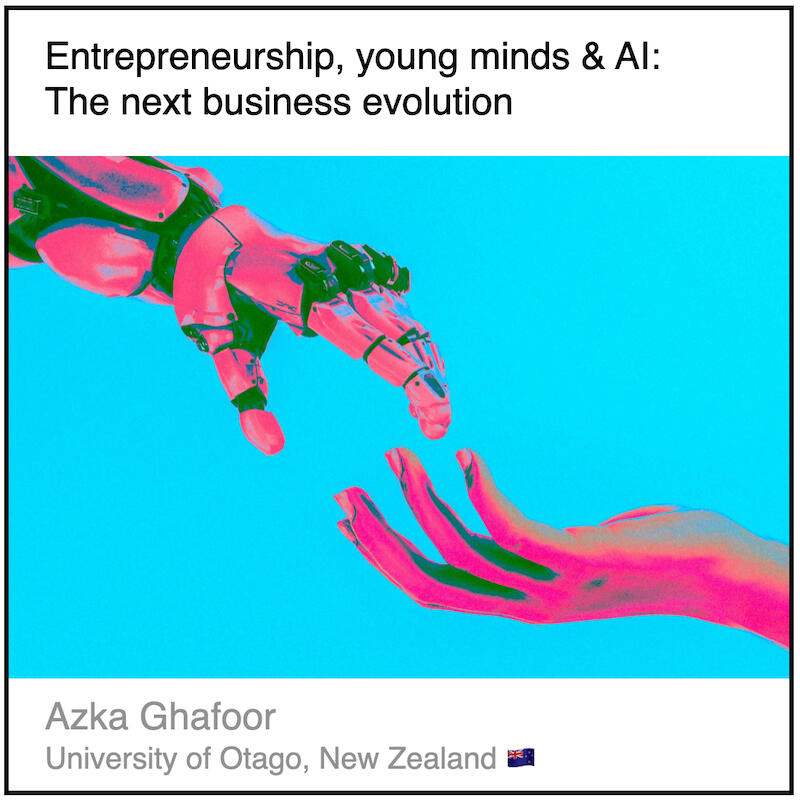
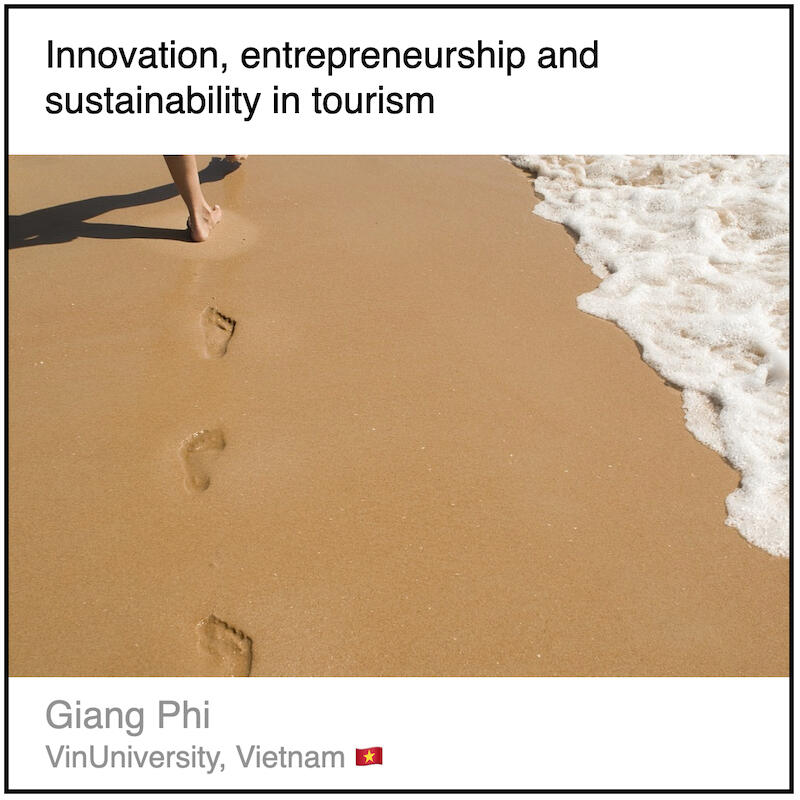
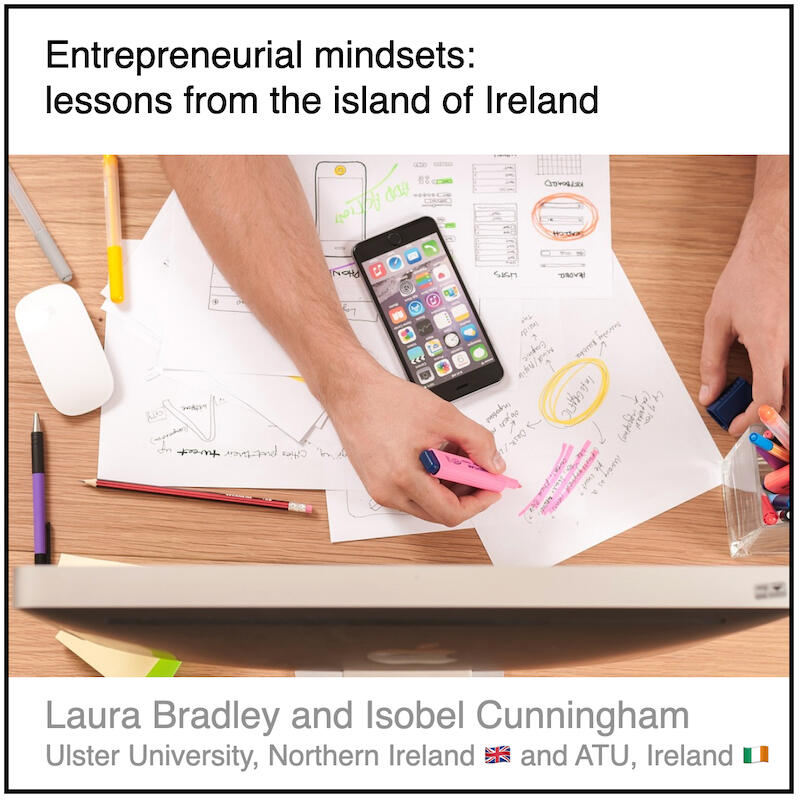
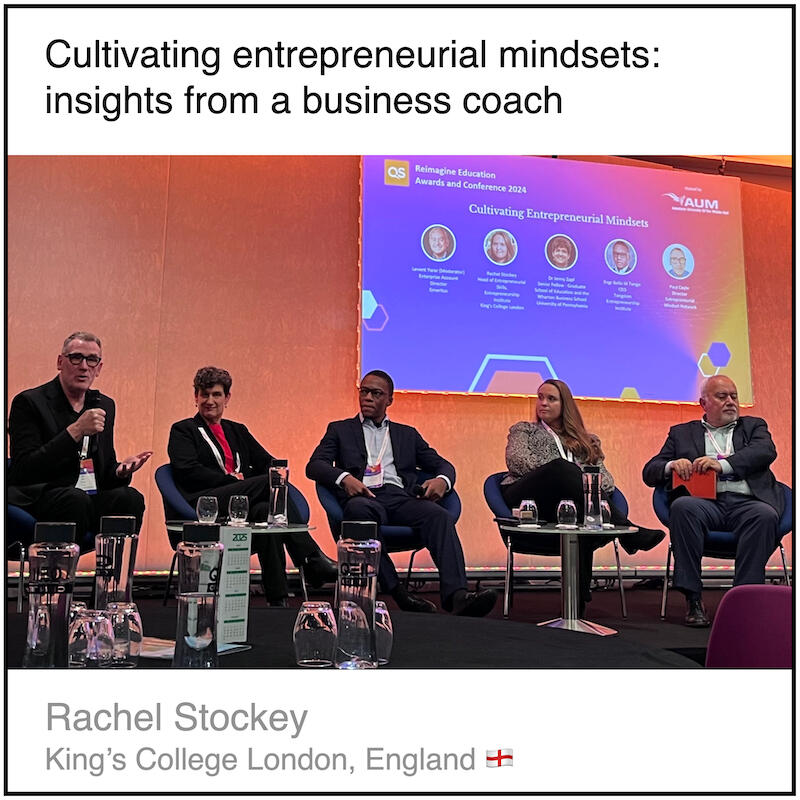
Executive Summary
Issue 1 explores how cultivating an entrepreneurial mindset empowers learners, educators, and social founders to address complex community challenges, harness artificial intelligence, and navigate career uncertainty. Drawing on practitioner insights from Ireland, Vietnam, the UK, and international social enterprise scholarship, these articles establish practical frameworks for experiential learning, design thinking, founder well-being, and sustainable value creation. The following questions and answers highlight key insights from these articles. For a deeper dive read the individual articles.
What is an entrepreneurial mindset, and why is it important beyond starting a business?
An entrepreneurial mindset is a dynamic combination of cognitive, emotional, and behavioural capabilities defined by adaptability, resilience, critical curiosity, empathy, and creative problem-solving. Rather than being restricted to launching commercial ventures, it is a versatile capability that empowers individuals to navigate uncertainty, overcome paralysing perfectionism, and take initiative across any career path. Developing this mindset enables learners to identify real-world challenges, maximise limited resources, and generate meaningful social, environmental, and economic value within social enterprises, existing organisations, or broader communities.
How can higher education foster an entrepreneurial mindset across different academic disciplines?
Universities can cultivate entrepreneurial capabilities by moving beyond traditional textbook instruction toward value-based, experiential learning and interdisciplinary collaboration. Fostering this mindset involves immersing students in authentic industry projects, creative brainstorming, and design-thinking frameworks that guide them through problem definition, ideation, prototyping, and iterative testing. Additionally, educators can integrate self-reflection tools at the beginning and end of terms to help learners evaluate their behavioural growth and take ownership of their development. By breaking down academic silos and providing physical incubators and mentorship networks, higher education institutions transform into entrepreneurial hubs that connect student ideas directly to real-world application.
How can aspiring entrepreneurs and students overcome perfectionism and maintain their well-being?
Overcoming perfectionism requires adopting lean startup principles that encourage starting before feeling fully ready, testing assumptions early, and launching imperfect prototypes to gather immediate feedback. This shifts the focus from academic perfection to continuous learning and iteration. Furthermore, protecting mental health and founder well-being requires dismantling toxic hustle culture and the glorification of overwork. Sustainable venture creation depends on treating the founder as the central asset of an enterprise, supporting their mental resilience through peer coaching, wellness resources, and inclusive, string-free funding models that prioritise long-term societal impact over rigid profit metrics.
How can artificial intelligence be combined with human ingenuity to drive future business evolution?
Integrating artificial intelligence into modern enterprise requires cultivating an AI-powered mindset that fuses technological fluency with critical thinking and ethical awareness. Rather than treating artificial intelligence as a simple replacement for human labour or falling into over-reliance on algorithms, successful innovators use intelligent tools as collaborative partners to streamline decision-making, personalise experiences, and scale solutions rapidly. The future of commercial evolution relies on maintaining a balance where machine automation enhances human creativity, enabling agile enterprises to solve complex problems without sacrificing human values, original thought, or ethical responsibility.
What is needed to make social enterprises and community-led initiatives sustainable over the long term?
Creating sustainable social enterprises requires combining deep empathy and a clear social mission with robust business modelling, financial literacy, and sound legal structures. Because social enterprises operate in competitive markets, founders must develop strong market awareness, plan for long-term revenue generation, and understand contemporary financial tools such as impact investments and community shares. Long-term viability also relies on forging collaborative partnerships across local ecosystems, engaging supportive boards of directors, and embedding ethical supply chains that address environmental protection, climate resilience, and community empowerment.
Copyright and Licensing Notice
These open-access articles are distributed under the terms of the Creative Commons Attribution 4.0 International License (CC BY 4.0), which permits unrestricted use, distribution, and reproduction in any medium, on condition that the original author and publisher are properly credited.The recommended citations and author details are:Ambepitiya, K. (2025). Fostering entrepreneurial mindsets and sustainable futures in Sri Lanka. Entrepreneurial Mindset Network: Express Magazine, 8(3). https://doi.org/10.5281/zenodo.24005607
Kalpana Ambepitiya (General Sir John Kotelawala Defence University, Sri Lanka) LinkedInBradley, L. and Cunningham, I. (2025). Entrepreneurial mindsets: lessons from the island of Ireland. Entrepreneurial Mindset Network: Express Magazine, 8(1). https://doi.org/10.5281/zenodo.23948601
Laura Bradley (Ulster University, Northern Ireland) and Isobel Cunningham (Atlantic Technological University, Ireland) LinkedIn ORCID profileCavicchi, A. (2025). Making universities more open and responsive to societal challenges. Entrepreneurial Mindset Network: Express Magazine, 8(3). https://doi.org/10.5281/zenodo.24002589
Alessio Cavicchi (Università di Pisa, Italy) Google Scholar LinkedIn ORCID profileCoyle, P. (2025). Scaling higher education using the entrepreneurial mindset. Entrepreneurial Mindset Network: Express Magazine, 8(2). https://doi.org/10.5281/zenodo.23976301
Paul Coyle (Entrepreneurial Mindset Network, France) Google Scholar LinkedIn ORCID profileDjebali, Z. (2025). Lessons from a life-long entrepreneurial journey. Entrepreneurial Mindset Network: Express Magazine, 8(3). https://doi.org/10.5281/zenodo.24006119
Zeineb Djebali (University of Liverpool Management School, England) Google Scholar LinkedIn ORCID profileGhafoor, A. (2025). Entrepreneurship, young minds, and AI utilisation: The next business evolution. Entrepreneurial Mindset Network: Express Magazine, 8(1). https://doi.org/10.5281/zenodo.23943556
Azka Ghafoor (University of Otago, New Zealand) LinkedIn ORCID profileHero, L-M. (2025). Educators, students & companies: co-creating and innovating for the future. Entrepreneurial Mindset Network: Express Magazine, 8(2). https://doi.org/10.5281/zenodo.23975875
Laura-Maija Hero (HAMK Häme University of Applied Sciences, Finland) LinkedIn ORCID profileHossain, F. (2025). Entrepreneurship as a powerful tool for long-term social development. Entrepreneurial Mindset Network: Express Magazine, 8(2). https://doi.org/10.5281/zenodo.23974710
Forhad Hossain (Sophia University, Japan) LinkedIn ORCID profileJohnson, C. (2025). Ideathons: How young people create solutions to real-world problems. Entrepreneurial Mindset Network: Express Magazine, 8(3). https://doi.org/10.5281/zenodo.24003376
Craig Johnson (GiLE Foundation, Hungary) LinkedInMarosvölgyi, D. (2025). Innovation, gender-inclusivity and transformative deep tech startups. Entrepreneurial Mindset Network: Express Magazine, 8(2). https://doi.org/10.5281/zenodo.23973893
Dóra Marosvölgyi (DARE Innovations, Hungary) LinkedInMswaka, W. (2025). Social entrepreneurship: lessons from Africa, Brazil and the UK. Entrepreneurial Mindset Network: Express Magazine, 8(1). https://doi.org/10.5281/zenodo.23950768
Walter Mswaka (Rollins College, USA) LinkedIn ORCID profileOrozco, J. (2025). Corporate entrepreneurship and innovation in emerging economies. Entrepreneurial Mindset Network: Express Magazine, 8(2). https://doi.org/10.5281/zenodo.23975474
Jairo Orozco (EGADE Business School Tecnológico de Monterrey, Mexico) LinkedIn ORCID profilePhi, G. (2025). Innovation, entrepreneurship and sustainability in tourism. Entrepreneurial Mindset Network: Express Magazine, 8(1). https://doi.org/10.5281/zenodo.23949202
Giang Phi (VinUniversity, Vietnam) LinkedIn ORCID profileQaed, F. and Sultan, R. (2025). Embedding the entrepreneurial mindset in interior design education. Entrepreneurial Mindset Network: Express Magazine, 8(3). https://doi.org/10.5281/zenodo.24004812
Fatema Qaed (University of Bahrain, Bahrain) LinkedIn ORCID profile and Reem Sultan (University of Bahrain, Bahrain) LinkedInStockey, R. (2025). Cultivating entrepreneurial mindsets: insights from a business coach. Entrepreneurial Mindset Network: Express Magazine, 8(1). https://doi.org/10.5281/zenodo.23949632
Rachel Stockey (King’s College London, England) LinkedIn
Editorial Note: To provide a unified overview of these global perspectives, the executive summaries were synthesised and structured using Google Gemini under human editorial oversight. Readers are encouraged to download the original author PDFs for full context.
This website is published by the Entrepreneurial Mindset Network © 2025 all rights reserved.